Upholstery Cleaning Auckland · 09 884 0343
Upholstery Cleaning Auckland
Upholstery Cleaning Auckland · water-damage guide

Leather furniture after a flood: what can realistically be saved

Leather survives brief water contact better than most fabric - but it fails differently. Uncontrolled drying causes shrinkage, stiffening and cracking that no later treatment reverses, so the first days decide the outcome.

Safety-led educational guidance. Incident scope is confirmed only after assessment.

Water incident context for safety guidance
Quick answer

Why leather reacts differently to floodwater than fabric upholstery, and the drying mistakes that turn wet leather into ruined leather.

Leather survives brief water contact better than most fabric - but it fails differently. Uncontrolled drying causes shrinkage, stiffening and cracking that no later treatment reverses, so the first days decide the outcome.

  • Move the piece out of standing water and blot - do not rub - surface moisture from the leather.
  • Dry slowly at room conditions, away from heaters, sunlight and direct fan blast that hard-set the hide.
  • Have the filling and frame assessed separately - the leather shell can be recoverable while soaked padding beneath it is not.
01 · Practical guidance

Start with the actual material and condition

Move the piece out of standing water and blot - do not rub - surface moisture from the leather. The visible symptom is only one part of the decision. Construction, age, previous products, access and the difference between surface soil and permanent material change should be recorded before treatment begins. Good-light photographs and care labels make the discussion more useful, but they do not replace an in-person test where stability is uncertain.

02 · Practical guidance

Choose the least risky useful next step

Dry slowly at room conditions, away from heaters, sunlight and direct fan blast that hard-set the hide. A controlled sequence is more useful than adding stronger chemistry or more moisture. Protect adjacent materials, work from a defined test area and compare the result after the material has settled or dried. If the test creates colour movement, texture change, rings or residue, stop rather than extending the same method across the item or room.

03 · Practical guidance

Separate cleaning limits from damage

Have the filling and frame assessed separately - the leather shell can be recoverable while soaked padding beneath it is not. Cleaning may improve removable soil and odour sources, but it cannot reverse wear, fading, dye loss, delamination, tears, failed backing or unresolved building moisture. Naming that boundary early prevents repeated treatment from concealing the actual repair, replacement or restoration decision.

04 · Practical guidance

Prepare information for a practical quote

Record the Auckland suburb, approximate size or item count, material if known, access constraints and every product already used. Include photographs of the whole item or affected area as well as close details. For water-related concerns, also note when the incident was discovered, whether the source has stopped and any electrical, ceiling or contamination hazards from a safe position.

05 · Practical guidance

Fast drying is the mistake that cannot be undone

Wet leather that dries quickly against a heat source loses its oils and flexibility, shrinking and setting in a stiffened form. Slow, even drying at ordinary room temperature preserves the hide while conditioning remains possible. The instinct to aim a heater at wet furniture is exactly wrong for leather, and the damage appears days later when the surface hardens and cracks.

06 · Practical guidance

The leather is only the visible layer of the decision

Most leather furniture wraps the same foam, webbing and timber construction as fabric pieces. Floodwater wicks up into that structure through the base long before the leather shows it. A piece can present a dry, intact hide over saturated cushioning - so the save-or-replace decision needs the construction assessed, not just the surface wiped down. Contaminated floodwater in the filling raises the same replacement questions as any absorbent furnishing.

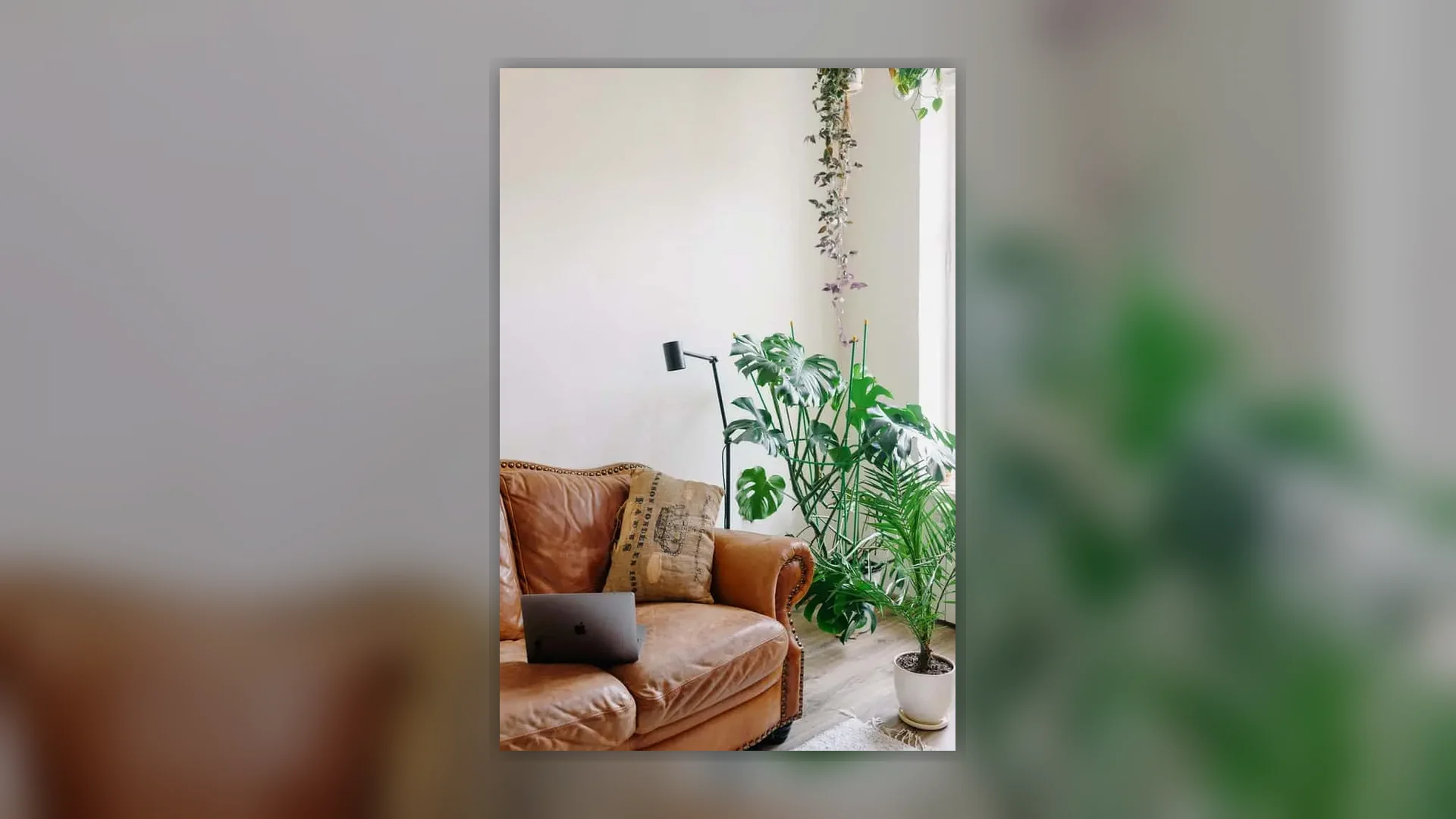
Supporting material-care detail for this article
Method at a glance

Test small, then reassess

01

Observe

Move the piece out of standing water and blot - do not rub - surface moisture from the leather.

02

Choose

Dry slowly at room conditions, away from heaters, sunlight and direct fan blast that hard-set the hide.

03

Confirm

Have the filling and frame assessed separately - the leather shell can be recoverable while soaked padding beneath it is not.

A practical stopping point

Stop when a test changes colour or texture, spreads the mark, leaves residue or reveals material damage rather than removable soil. More force is not a diagnosis; record the result and choose the correct next step.

article decision diagram for Leather furniture after a flood: what can realistically be savedObserveDecideAct

Request flood restoration help

Tell us about the water incident and the support you need. We will use these details to assess the request and contact you about the next step.

After submission, a confirmation or clear error message will appear below.

Route-specific answers

Questions about this topic

What should be checked before leather furniture after a flood: what can realistically be saved?

Move the piece out of standing water and blot - do not rub - surface moisture from the leather. Fabric, colour stability, construction and existing damage determine the safe scope.

How should I prepare for leather furniture after a flood: what can realistically be saved?

Dry slowly at room conditions, away from heaters, sunlight and direct fan blast that hard-set the hide. Share labels, photographs, access information and previous products where known.

What result is realistic?

Have the filling and frame assessed separately - the leather shell can be recoverable while soaked padding beneath it is not. Cleaning cannot reverse wear, sun fading, dye loss, tears or material breakdown.